About the Bouboulina Museum and its cultural significance
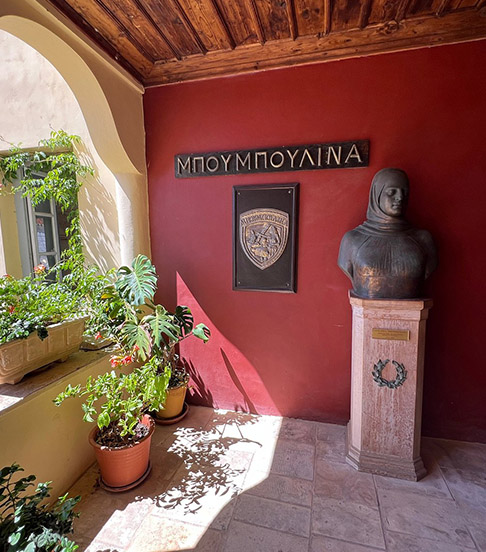
The Bouboulina Museum is housed in a historic home on the island of Spetses, tied to Greece’s 1821 revolution. The site holds cultural significance not just locally, but nationally.
The project was made possible with the support of Pavlos Demertzis Bouboulis, descendant of Laskarina Bouboulina and owner of the museum, who opened the space for the digital capture initiative.
Despite its importance, access to the space has always been limited to those who can physically visit and navigate the building itself. Until now, there was no way to explore or experience the museum remotely.
Making a historic museum accessible without altering the space
The museum’s physical structure made it difficult for everyone to visit. Located on an island and accessed by staircases, it wasn’t easily navigable for all visitors.
At the same time, there was no way to explore the space remotely. Anyone unable to travel or move through the building missed out entirely.
The goal wasn’t to replace in-person visits. It was to extend access while preserving the integrity of the space and give more people a way to experience the museum without changing what makes it meaningful on-site.

I have some friends with disabilities who can’t visit the museum because of the staircases. So, creating a 3D tour was a great way for people who can’t access these spaces to experience them virtually.
How a 3D virtual tour brought the museum online in 20 minutes
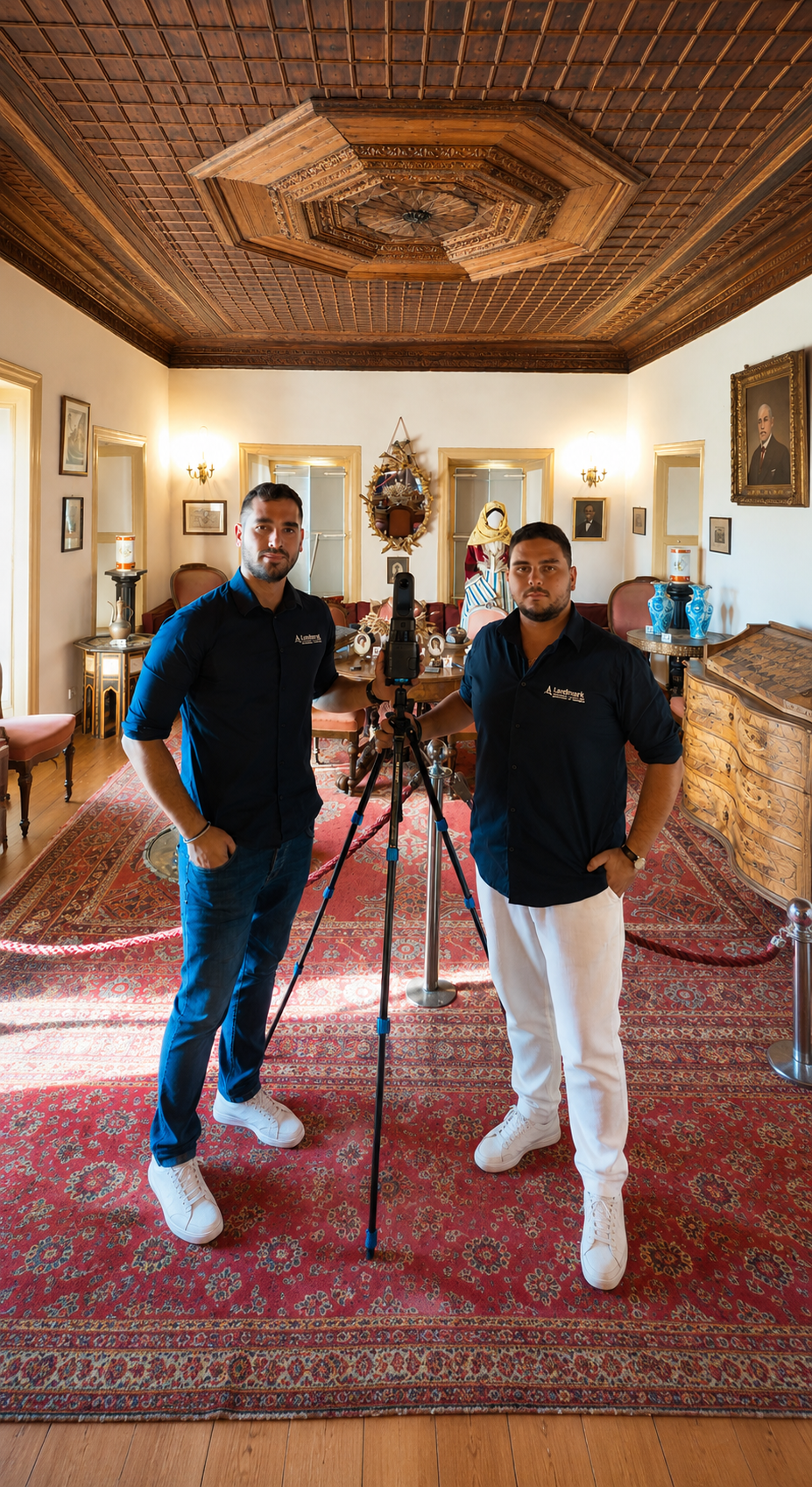
Landmark Loutridis used the PLANIX R1 to capture the museum quickly and simply. In about 20 minutes, they scanned the full space, creating a 3D virtual tour and detailed visual record that could be shared online.
It was around 20 minutes that we did the scan easily and without hurry and the result that we got from the pictures and the 3D tour was amazing.
Interactive 3D museum experience
Visitors can explore the space remotely, moving room to room
Detailed visual record of the site
Artifacts, textures and architectural features captured in context
Guided exploration with zoom and navigation
Users can examine specific details up close
How virtual access expanded reach and visibility for the museum
The project opened the museum to a broader audience—especially those who would never have been able to visit in person.
Early reactions from museum stakeholders and viewers have been overwhelmingly positive. The owners, team members and accessibility testers were all impressed with how easy the experience was to navigate and how clearly it represented the space.
Beyond the museum itself, the project gained visibility through national television coverage and sparked interest from other cultural institutions. What started as a single initiative is already becoming a repeatable model for how historic sites can extend access without changing their physical environment.
Expanded access beyond physical limitations
Visitors can experience the museum remotely, including those unable to travel or navigate the space
Increased visibility through media and digital channels
The project was featured on national television, highlighting digital preservation in action
A repeatable model for cultural sites
Early interest from other museums points to broader applications across heritage institutions
Bringing cultural heritage spaces online
Following the success of this project, Landmark Loutirdis has already been approached to capture another museum on Spetses and has started conversations with archaeology organizations in Greece.
The team plans to expand this work to more historic sites, especially museums that currently have no virtual experience for remote visitors.
What began as a single project tied to a historic milestone is now helping demonstrate how cultural heritage spaces can become more accessible—without changing the experience of visiting them in person.
After seeing the results, there’s interest in doing another 3D tour once the museum is renovated. We also plan to reach out to other museums in Greece that don’t have a virtual tour yet.
Explore how iGUIDE helps bring physical spaces online.
Author

Jennee Rasavong
Content Marketing Manager
Jennee is the Content Marketing Manager at Planitar, makers of iGUIDE, where she creates clear, practical content grounded in real customer workflows. Her work focuses on blogs, customer stories, and guides that help make complex tools easier to understand.