4 key components to streamlining your insurance & restoration process
Fire and flood claims are pouring in across North America and that means more business for Insurance & Restoration companies.

The Consumer Claims Journal reports that fire is the number one insurance claim across the country with 80% of those claims being residential. When assessing damage and restoring properties to their pre-peril state, time is of the essence and speeding up the process is a way to get more restoration work from insurance companies.
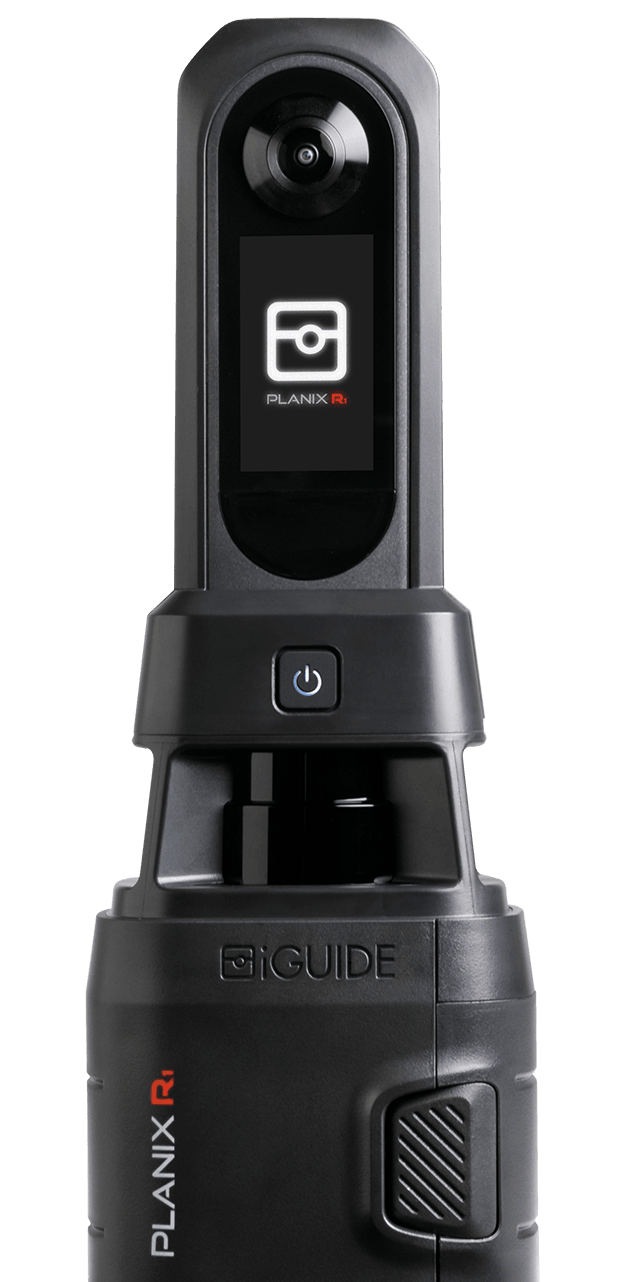
Technology like the iGuide camera system help document every detail quickly and efficiently by capturing data with a digital twin. Conventional drawings are often inaccurate and multiple re-visits can be required to obtain the correct information. When an estimate is needed fast, you have to be able to document everything during your initial visit to the destruction site.
Here are 4 key components for streamlining your Insurance & Restoration process:
Document the Space Fast
Insurance claims can take months to finalize but insurance companies want to get things settled as quickly as possible. According to a recent article from CoreLogic®, 25% of insurance professionals have retired or are about to. This means that it is more crucial than ever to get losses documented faster. You can assist in making the transition from disaster to complete damage restoration by providing a faster way to document a loss. In any claim, it is crucial to assess the damages as soon as they have occurred. With an iGuide, you can easily capture a digital twin, insert measurements, and add notes for every area of concern. Quickly capture a space of 3000 square feet in 15 minutes and easily use the auto-alignment features to create an accurate floor plan. Manual sketching is open to interpretation. Often, areas of concern are overlooked or missed entirely.
Eliminate Multiple Visits
An optimal way to get restoration work from Insurance companies is by working with Adjusters to decrease the time spent documenting the loss. Save time and improve productivity by using a system that allows you to gather all the necessary information with high accuracy. With iGuide, you’ll capture everything you need to complete a Remote Appraisal of the restoration work. Most properties are documented in just one visit. Fewer visits mean you can cover more properties in a single day. Digital twin technology removes the need to capture multiple photos one room at a time. An iGuide also allows the user to identify the damaged spaces using the tagging feature and make notes as you progress through the site, highlighting important details that require attention during the damage restoration process. Simply put, eliminating hand-drawn sketches saves time and money by effectively removing the margin of error.
Comparative Data
Proof of loss is crucial in any insurance claim. Data can be captured in a single visit and updated throughout the damage restoration process. The best way to get restoration work from insurance companies is to supply them with an indisputable accounting of the damages. Record the physical destruction, take inventory of personal items, and calculate costs from a digital twin with lidar technology. Files can be uploaded into software like Xactimate to speed up estimates. When getting more restoration leads for Contractors is your goal, showcase your ability to document, share and compare at every phase of the rebuild.
Provide Transparency
If you are pondering how to get restoration work from insurance companies, give Independent and Public Adjusters a reason to work with you. When a loss happens, there are numerous variables that can hold up a claim. Unconventional spaces can be managed and manipulated as required by using an iGuide digital twin with Radix.
The IBC states that the consumer has a “right to timely and transparent claims handling”, however, on the other side of the spectrum, another key benefit of iGuide’s services is the ability to own your data and download it offline for future use. This feature enables users to be able to access files years down the line to ensure quality of service in present and in future. Comparative data from pre-mitigation to post-mitigation provides complete transparency for the claimant and the insurance company.
By and large, the insurance industry requires timely methods to document losses. Implementing these 4 key components can better position you to get more restoration work from insurance companies in the future. iGuide uniquely benefits everyone involved to help streamline the Insurance & Restoration process by providing accurate data, reducing restoration time, and targeting precise estimates.
Want to learn more about how iGuide can help you in your business? Book a time to speak with one of our experts
Related blog
- Blog

Accurate compared to what? Accuracy vs precision for floor plans
Accuracy is how close a measurement is to the truth. Precision is how consistent it is. No measurement is exact, so the real question is how far off a number might be. Here’s what that means for floor plans and four questions to ask before you trust any measurement.
- Blog

What's new in iGuide: Real-time floor plan previews, in-portal still images and faster deliverables
This release is about getting more done in a single visit. Watch your floor plan build in real time as you scan, grab still images from the portal and get a cleaner tour with faster deliverables on every project.
- Blog

Day one only happens once. Capture all of it.
A pipe bursts on a Friday night. Your after-hours crew arrives within the hour, documents the damage, begins extracting water and sets drying equipment in place. Before the job changes, you need a complete record of what the property looked like on day one. That's where iGuide comes in. One capture session produces the 360 virtual tour, room photos, damage tags and estimate-ready sketch that become the foundation of the claim.