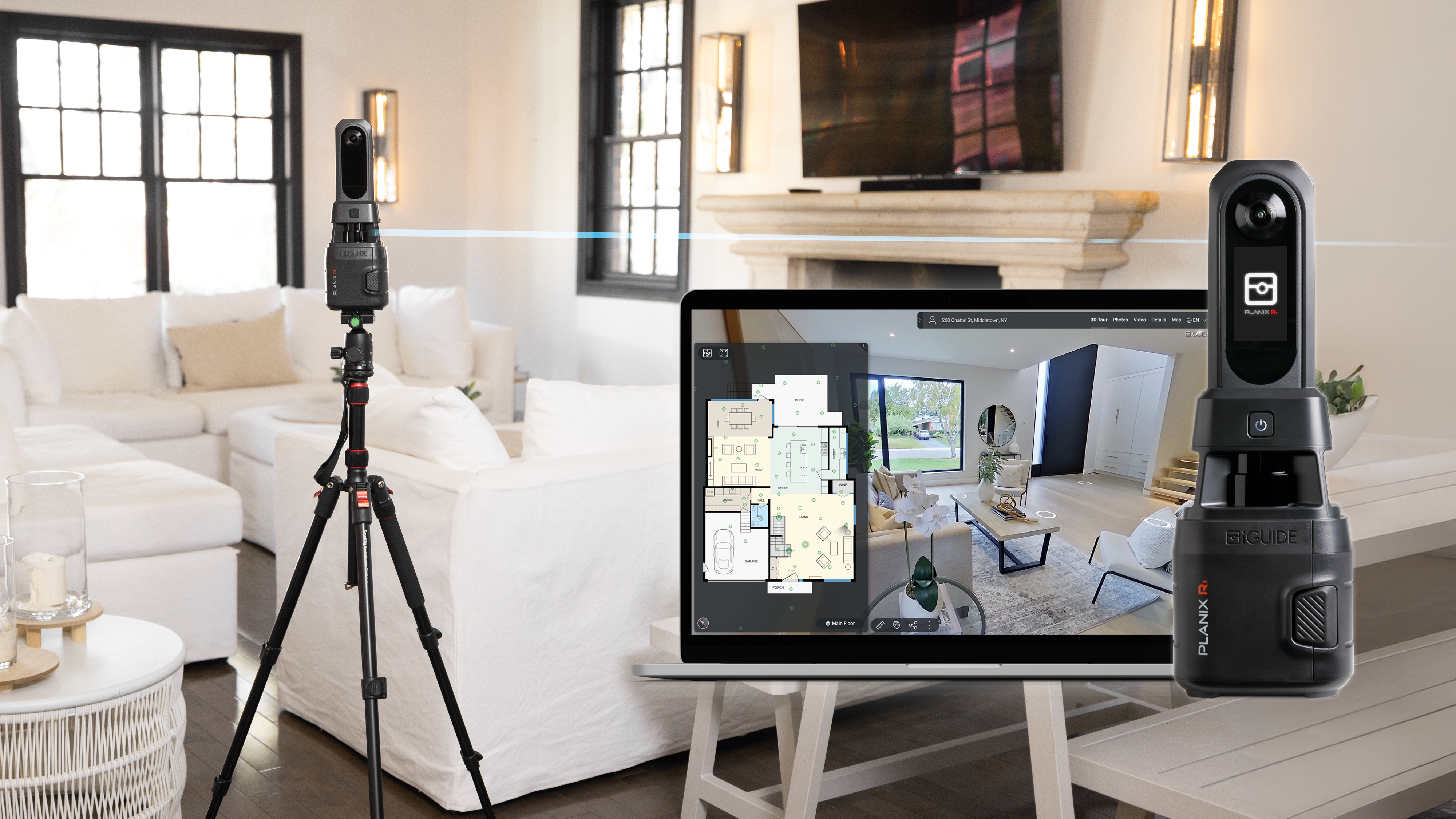
A real estate floor plan is a scaled diagram that shows the layout of a property from above. It shows how rooms connect, their relative size and how the home is organized.
Unlike listing photos, which show what a home looks like, a floor plan shows how the home actually works. It helps buyers understand the structure of a property and how different spaces relate to one another.
Because most buyers start their home search online, they rely heavily on listing visuals to evaluate properties. According to the National Association of Realtors, buyers place significant value on visual listing content when researching homes online. Floor plans provide structural context that photos alone cannot show.
Floor plans help buyers quickly understand how a home is laid out—information that listing photos alone cannot provide.
Why floor plans are important in real estate listings
Floor plans help buyers and agents understand a property quickly and clearly. In real estate listings, they serve several important purposes:
- Help buyers visualize layout and flow between rooms
- Show room sizes and spatial relationships that photos cannot explain
- Improve listing engagement by giving buyers more information upfront
- Help buyers determine if a home fits their needs before scheduling a showing
- Allow buyers to plan furniture placement or future renovations
Because of this, floor plans have become one of the most useful supporting visuals in modern real estate listings.
What does a floor plan include?
A real estate floor plan shows the structural layout of a property from above, making it easier to understand how rooms and spaces connect.
Most floor plans typically include:
- Room layout showing how spaces connect throughout the home
- Room labels such as kitchen, bedroom, or living room
- Dimensions or measurements of each room
- Square footage information
- Doors, windows, and staircases
- Fixed fixtures such as kitchen counters or bathroom features
Accurate measurements are an important part of a reliable floor plan. In some markets, measurement standards such as RMS (Residential Measurement Standard) or ANSI guidelines help ensure square footage is calculated consistently.
When measurements are clear and standardized, property buyers can better understand the scale of a property and compare listings more confidently.
Floor plans vs. real estate listing photos
Listing photos and floor plans serve different purposes. Together, they help buyers understand both the appearance and structure of a property.
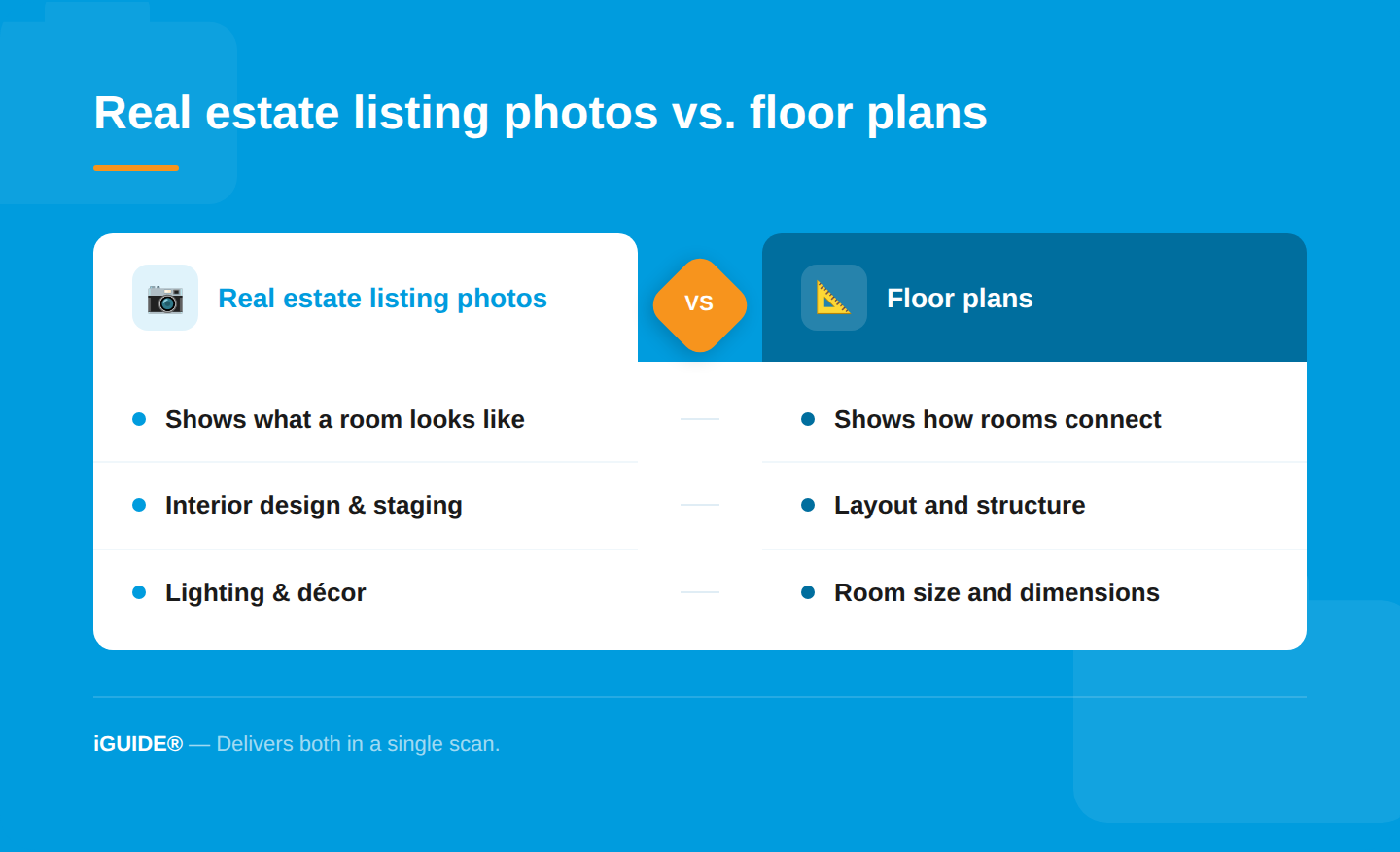
Photos help buyers imagine what it would feel like to be inside the home. Floor plans help them understand how the home is organized.
Using both together allows buyers to evaluate a property more confidently before visiting in person.
When buyers use floor plans during their search
Buyers often review floor plans at several points during their home search:
- When comparing multiple listings online
- Before deciding whether to schedule a showing
- When evaluating if furniture will fit in certain rooms
- While discussing a property with family members or partners
- When considering potential renovations or layout changes
Because floor plans clearly show how a property is structured, they often become a reference point buyers return to while evaluating a listing.
Why floor plans matter for buyers
Once buyers begin comparing listings, they often turn to the floor plan to evaluate whether the layout will actually work for their needs.
Will this home actually work for my life?
A floor plan helps answer that question quickly.
Buyers use floor plans to:
- Evaluate the layout before scheduling a showing
- Understand how rooms connect
- Compare properties more easily
- Decide whether their furniture will fit
- Visualize how they might live in the space
A floor plan removes the distractions of staging and décor, helping buyers focus on how the space actually functions. Because of this, many buyers return to the floor plan multiple times while reviewing a listing.
Floor plans can improve listing engagement
Providing a floor plan can help listings stand out and keep buyers engaged longer while they explore a property online.
Floor plans also help buyers quickly determine whether a property fits their needs. This can reduce unnecessary showings and help agents focus on buyers who are genuinely interested.
For real estate professionals, this means listings that include floor plans often generate more informed inquiries from buyers.
Floor plans help buyers imagine living in the home
Photos show how a home looks. Floor plans help buyers imagine how it might work for their daily lives. Without furniture, décor, or staging, a floor plan acts as a neutral reference point for understanding the space.
Buyers often use floor plans to answer practical questions such as:
- Is the primary bedroom large enough for a king-size bed?
- How close is the kitchen to the dining area?
- Is there space for a home office?
Some digital floor plans even include measurement tools that allow buyers to check whether their furniture will fit within a room. By helping buyers picture how the home fits their lifestyle, floor plans can strengthen a buyer’s connection to a property.
Floor plans also benefit real estate agents and photographers
Floor plans don’t just help buyers—they also support real estate professionals.
For real estate agents, including a floor plan can make listings more informative and easier for buyers to evaluate before requesting a showing.
For real estate photographers, floor plans can also become an additional service that strengthens listing packages.
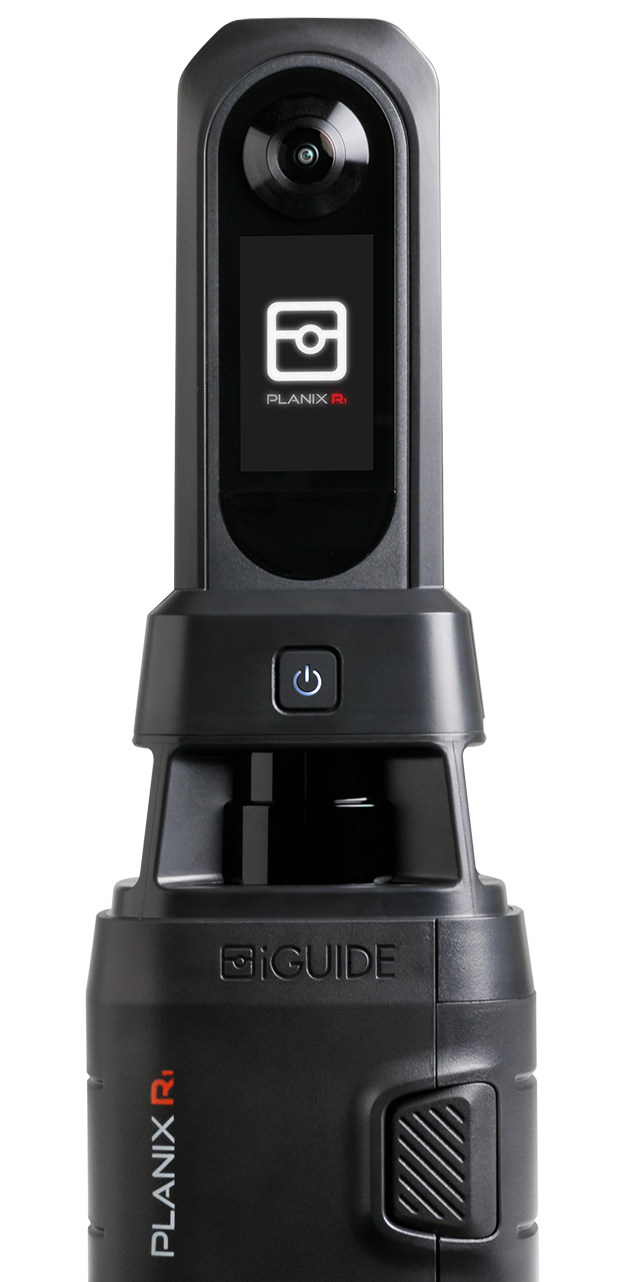
Modern capture technology makes it possible to generate floor plans and virtual tours from a single property scan. Platforms such as iGUIDE allow photographers to create both assets efficiently while documenting the property.
Together, these tools give buyers two important perspectives:
- Visual experience through photos and virtual tours
- Structural understanding through floor plans
This combination helps listings communicate the full story of a property.
Floor plans and virtual tours work best together
Photos and virtual tours help buyers see what a property looks like.
Floor plans help buyers understand how the space fits together.
Together, they give buyers a clearer understanding of the property before visiting in person.
For real estate professionals, combining these assets helps create more informative listings and a stronger presentation for potential buyers.
Looking for accurate floor plans for your next listing? See how iGUIDE captures floor plans and virtual tours in a single scan