
Creating an unforgettable brand: Building trust in the real estate industry
Word of mouth and loyalty are crucial for success in the real estate industry, and these both rely on one fundamental aspect: trust.

Word of mouth and loyalty are crucial for success in the real estate industry, and these both rely on one fundamental aspect: trust.
Trust drives referrals and repeat business, making it essential for building a strong and unforgettable brand in real estate.
Let’s explore the key elements of trustworthiness, the benefits of a trustworthy brand and actionable steps to build trust in your real estate brand, including using iGuide to ensure your digital assets build trust.
Key elements of trustworthiness
To build trust in your real estate brand, it’s important to understand the key elements of trustworthiness. These elements include reliability, credibility, authenticity, dependability, honesty, transparency and expertise. While these concepts may seem intuitive, implementing practical trust-building strategies can be challenging.
Benefits of a trustworthy real estate brand
A trustworthy real estate brand offers various benefits.
- Increase loyalty and repeat business: It fosters increased loyalty and repeat business from clients who have confidence in your brand.
- Positive word-of-mouth: Satisfied clients are more likely to spread positive word-of-mouth referrals, expanding your customer base organically.
- Your competitive advantage: A trustworthy brand gives you a competitive advantage in the market, as savvy buyers often research and choose brands (aka, partners) they perceive as trustworthy.
How to build a trustworthy brand
Building a trustworthy real estate brand requires careful planning, consistent execution, and a focus on delivering great value and experiences to your clients.
7 steps to help you build trust in your real estate brand:
- Consistently provide outstanding service: Prioritize delivering the best service possible to your clients. This should be the foundation of your brand, as it builds trust and loyalty (not to mention referrals).
- Share your story: Your brand is more than a name and logo. Share your story, including your company’s history, values, motivations, successes and failures. This personal touch helps establish an emotional connection with your prospective audience.
- Build social proof: Encourage satisfied clients to leave reviews and testimonials. Positive reviews and testimonials act as social proof, showcasing the trustworthiness of your brand to potential clients.
- Emphasize transparency: Be open and transparent with your clients about your processes, fees and any potential conflicts of interest. This transparency builds trust and fosters long-term relationships.
- Showcase expertise and knowledge: Position yourself as an industry expert by consistently sharing valuable and informative content through blog posts, social media and other platforms. This establishes your credibility and builds trust with potential clients.
- Engage with your audience: Interact and engage with your audience through social media, blog comments and email newsletters. Respond promptly to inquiries and provide personalized attention to build trust and nurture relationships.
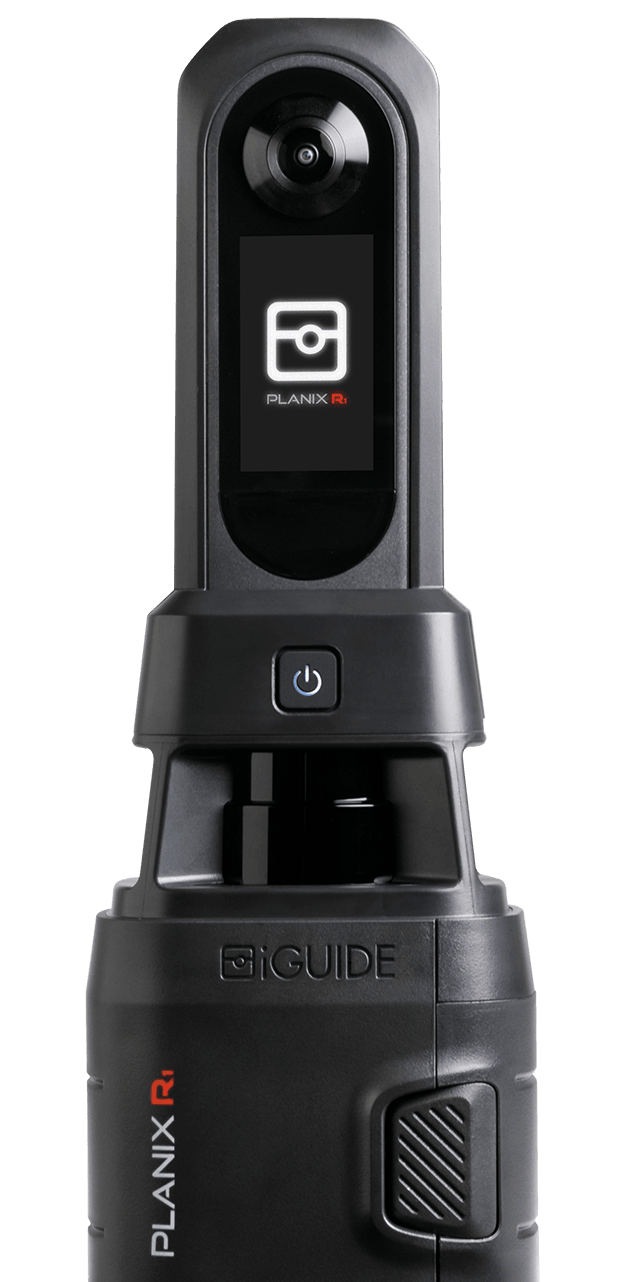
- Utilize iGuide: Provide assets that impress clients and showcase your expertise. With iGuide, your 3D virtual tours with digital floor plans will create repeat, referable business.
Following these actionable steps, you can build a trustworthy real estate brand that stands out in the industry. Trust takes time to develop, but once established, it becomes the foundation of a successful and unforgettable brand.
If you want to add expertise and technology to your toolbelt, you can learn more about iGuide by booking a complimentary virtual demo.
Related blog
- Blog

How to get a floor plan of your house
There is no single place to look up a floor plan by address. Here is where an existing plan might be, why it often falls short, and how to get an accurate one measured in your home.
- Blog

AI home search: 5 questions buyers ask about your listing and how to answer them
Buyers can now search for homes inside ChatGPT, and an assistant can only repeat what your listing contains. Here are five questions buyers ask AI about every home and the property data that answers them.
- Blog

How to measure the square footage of a house (and why the numbers rarely match)
Square footage depends on how you measure. Two careful measurements of the same house can differ because they count different spaces, measure to different sides of the walls or follow different standards. Learn how to measure step by step and write down your method so your number holds up.